I’m finally here with my first group of Eurovisionathon reviews. This readathon ended more than a month ago and I’ve just been holding off on posting these while I get the second lot of them ready but I honestly don’t know when that’ll be. I’m honestly just sick of rescheduling this post again and again so here it is now.
Armenian Myths and Legends by Charles River Editors
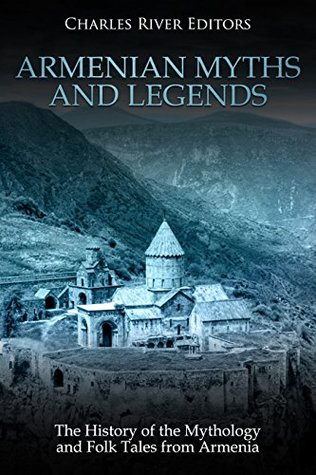
This was the third or fourth book I started for the readathon, but the first one I actually managed to finish. This is just 48 pages long, so it was a nice and quick read to make me feel good about finishing something for the readathon. I thought this was a really fascinating read—I know nothing about Armenian history, so this was really interesting for me. I wish this had come with an introduction or even just a few lines at the start because it really just throws you in without any context. This book feels very much as if it’s written as an introduction to Armenian mythology, so it’s strange to me that there was no glossary or index either. It felt as if the editors expected you to already know about early Armenian history and the history of the regions surrounding it, so they didn’t provide any. That being said, it did grab my interest, and I’m hoping (after the readathon) that I might be able to find a more detailed book on the subject so I can learn more about the parts that interested me.

The Bone Woman by Clea Koff
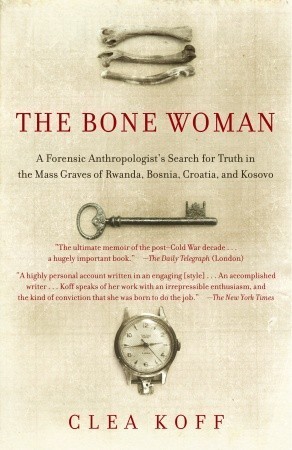
If I had to pick a word to describe my reading for Eurovisionathon this year, it would probably be ‘fascinating’ and that all began with this book. This was my pick for Croatia, even though only a portion of the book takes place there. I started it early, thinking it would probably take me the entire month of the readathon to get through it, but I was immediately entranced by it. Koff has a really interesting writing style—this book simultaneously felt like I was there with her in these mass graves while also being held at a distance. It’s hard to explain what I really mean by that, but here we go. There’s often quite a bit of detail about the dig sites, even about specific bodies and the process of the team, but at the same time, we know very little about what happens to the sites once Koff leaves and even less about Koff herself. I honestly don’t know what was more fascinating—the investigations Koff was doing or the way she talked about them. Either way, I’m very glad I ended up picking this one up, and I think it’ll be one I end up revisiting again in the future.

That Hair by Djaimilia Pereira de Almeida
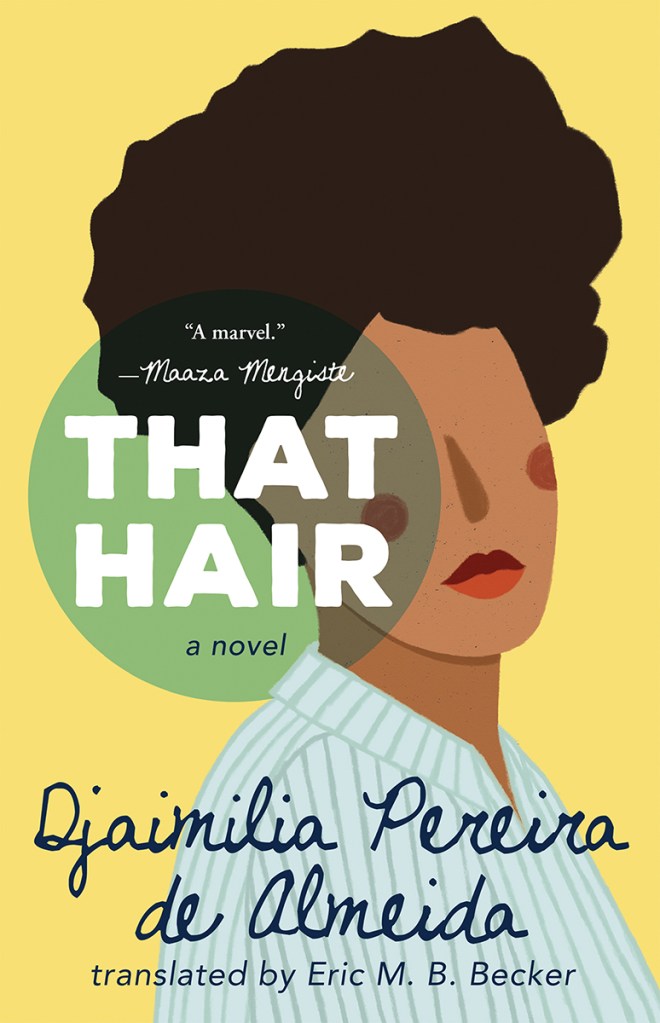
This was my book for Portugal this year. I had sort of mixed expectations going into this. On one hand, it’s literary fiction—a genre I very rarely enjoy, but at the same time, it seemed like it would at least be interesting. It kind of met those expectations. The premise was interesting and there were some beautifully written paragraphs and lines, bu ultimately, it didn’t live up to its potential for me. The story centres around the narrator, an Angolan-Portuguese woman, and her hair, identity, and the two sides of her family. Each chapter would begin with a memory surrounding her hair somewhere before moving onto a tangent about her family or something else before usually returning to the hair. That could’ve been done so well, but instead it felt a bit muddled as the two parts rarely matched up. It had such great potential but instead fell flat for me.

The Women Who Borrowed Memories by Tove Jansson
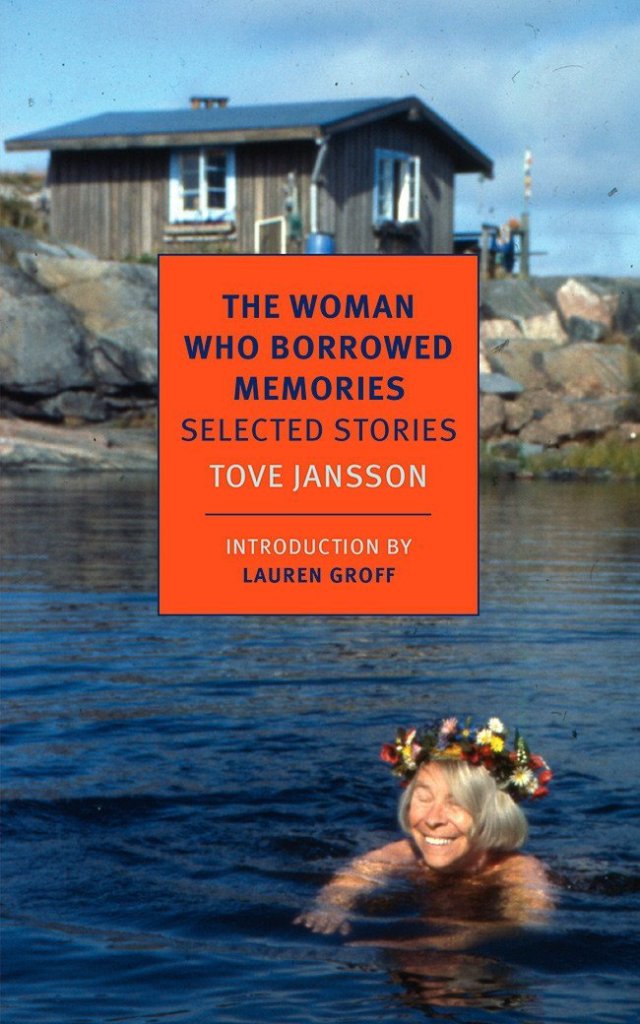
Growing up, I’d never heard of the Moomins, it’s only been in the last few years that I’ve suddenly started seeing them around. So this year, to mark off Finland for Eurovisionathon, I thought I’d pick up something by Jansson and settled on this short story collection. I had a really rough time getting into this. Even though they’re short stories, this felt like it took me forever to read, and all in all, I probably only enjoyed three or four of the stories. My favourite was definitely the title story—it was kind of creepy and unsettling but really attention-grabbing and enjoyable to read. A lot of the others just left me feeling underwhelmed and bored. That being said, this did make me more interested in reading about Jansson herself—the introduction and the themes in the story made me feel like she’d be a really interesting figure to read about. So while I didn’t love these, I think next year I might end up picking something up about Jansson herself for my Finland book.
In Which Margo Halifax Earns Her Shocking Reputation (Halifax Hellions #1) by Alexandra Vasti
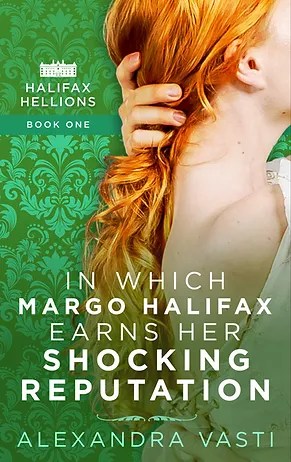
I ended up using this as my book for the UK. After a few meh reads, I really just needed something quick, fun and smutty. This was the perfect pick for that. It was easy to read, made me laugh a few times and was delightfully smutty. I’ve really not been reading much historical romance for the last year or so, but this reminded me why I fell in love with the genre in the first place. We’ll see if it reignites my love for the genre a little now that I have more time to read whatever I’d like. Because it’s only a short novella, I don’t have too much else to say about it other than that I’m extremely excited to see what Alexandra Vasti does in her upcoming full-length novel, Ne’er Duke Well, when it’s released next year.
The Sisters of the Winter Wood by Rena Rossner
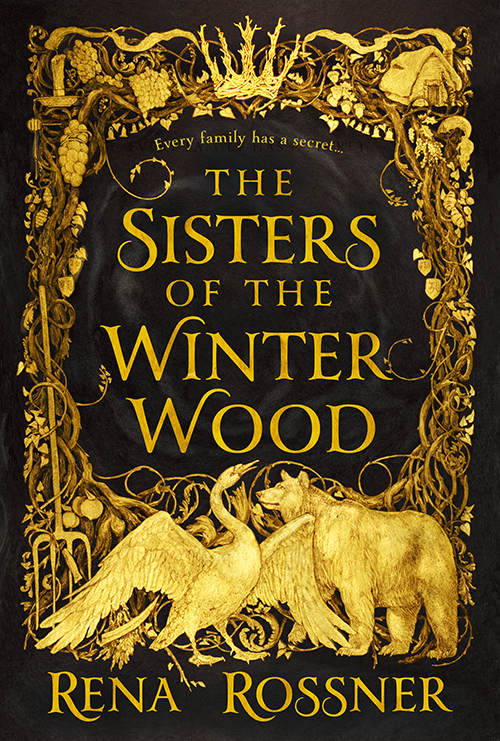
This was my pick for Moldova. I had a bit of a rollercoaster of emotions going through this book. At first, I was bored and not enjoying it at all, then midway through, it picked up, and I was loving it, and then by the end, I was back to kind of hating it. It was one of those books that just tried to pack too much into it, so nothing was as fleshed out as it needed to be. I think had it taken out just one thing, it would’ve immediately become a stronger story. The world was really interesting, and I wanted to know more about the characters—that all just got a bit lost in everything else. The pacing was a little off in places, but I think that’s another problem that would most likely be fixed by removing one of the plot elements. All this being said, I’d still be interested in seeing what Rossner might write in the future.

I’ll try and get the second part up in July, or at least try and catch up with some of my reviews but we’ll see where the month takes us.
 Earl Grey Books